
Boat insurance looks simple until you file a claim. Then the gap between the policy you bought and the policy you needed shows up all at once. Here’s what actually matters when you insure a yacht — and where owners most often come up short.
The coverage that matters
The four covers that actually matter
Hull & Machinery
Physical damage to the boat itself — grounding, fire, storm, collision. Insist on agreed value, not actual cash value.
Protection & Indemnity
Your liability on the water — injury, damage to other vessels or docks, wreck removal, pollution. Do not under-buy the limit.
Crew Cover
The moment you pay anyone to work aboard, Jones Act and USL&H exposure is real — and a pleasure-craft policy may not touch it.
Tenders, Toys & Effects
Easy to forget, easy to lose. Confirm the tender is scheduled and that watercraft, dive gear and electronics are covered on and off the boat.
Hull & machinery is the core: physical damage to the boat itself — grounding, fire, storm, collision. Two things to check. Is it agreed value or actual cash value? Agreed value pays a set figure; actual cash value depreciates you at claim time. And what are the named-storm and lay-up warranties — where, and when, are you actually covered during hurricane season?
Protection & indemnity (P&I) is your liability on the water — injury to crew or guests, damage to other vessels or docks, wreck removal, pollution. This is the cover that turns a catastrophe into something survivable. Don’t under-buy the limit; marine liability claims run large.
Crew cover matters the moment you pay anyone to work aboard. Jones Act exposure — and USL&H for larger operations — is real, and a standard pleasure-craft policy may not touch it. Run charters or employ crew? Get this looked at specifically.
Tenders, toys and personal effects are easy to forget and easy to lose. Confirm the tender is scheduled, and that watercraft, dive gear and electronics are covered both on and off the boat.
The gaps owners hit most
Four ways cover quietly fails
Cover can quietly lapse the mile you cross the line.
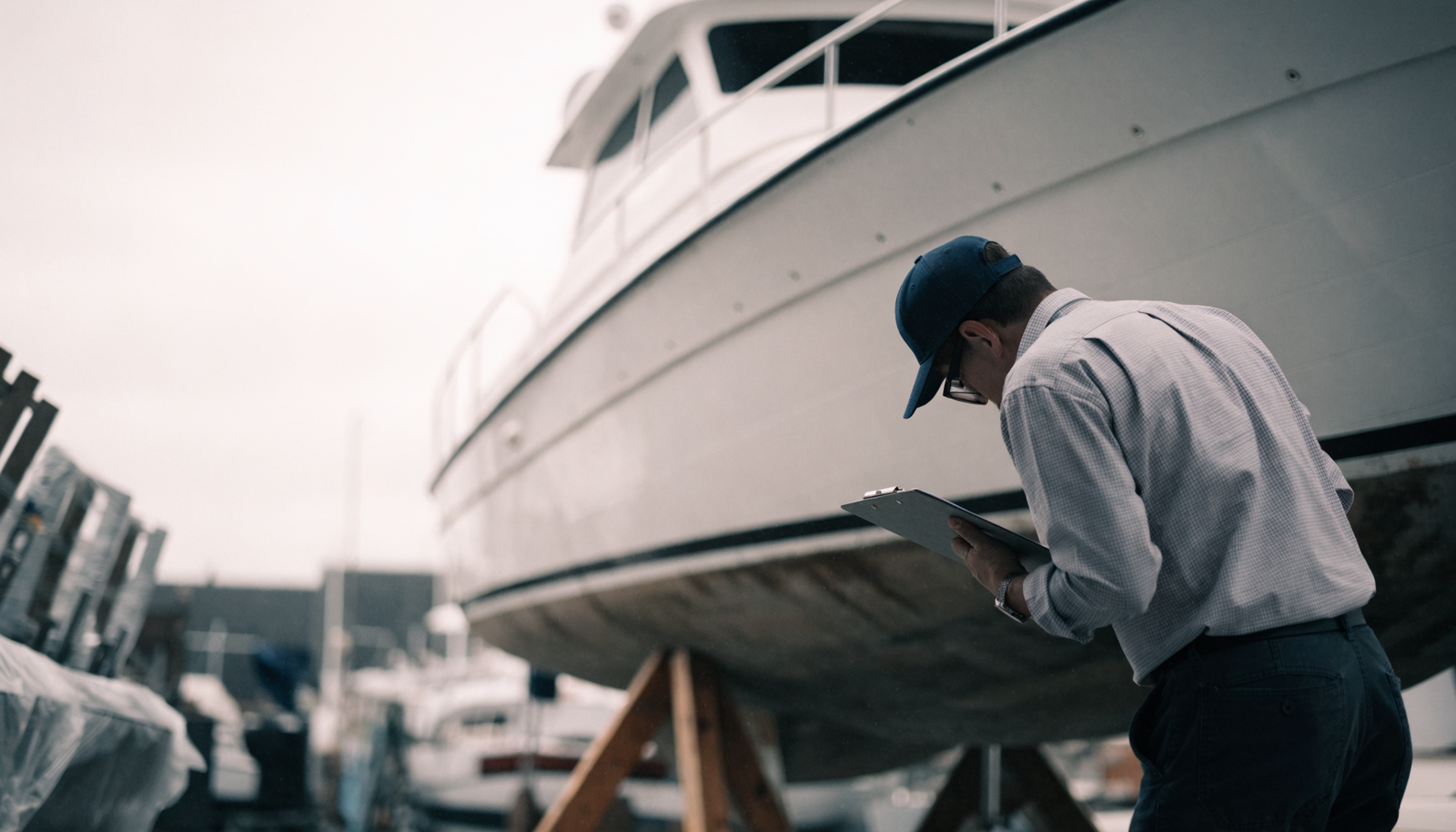
Insurers can deny a claim if the boat wasn’t surveyed on schedule.
A dock, a jet ski, or a boat over a certain length usually isn’t covered.
The cheapest premium often hides a higher deductible, a lower agreed value, or warranties that void cover if you slip.
How to shop it
Insurance is one of the fixed lines in your cost of owning a yacht, so size it to your actual risk rather than a generic quote. Decide how and where you actually use the boat first — coastal, offshore, chartered, hauled out for winter — then match cover to that. A specialist marine broker will spot the gaps a generalist misses.
Before you buy: a 60-second checklist
Not sure where to start? ZipYacht’s Marine Insurance directory lists specialists who do this all day — and Janet, our AI insurance agent, can help you work out what you need before you ever pick up the phone.
Browse Marine Insurance specialists →
Chat with Janet, our AI agent →