
13 characters. 130 practical tips. Each ZipYacht specialist has a top 10 list; the short film shares the first three from every list.
Boat show is coming. Start getting ready now—before the remaining repair, the missing part and three appointments all land on the same afternoon. With the Fort Lauderdale International Boat Show opening October 28 and running through November 1, now is the time to decide what really needs doing and who is doing it.
Every member of the ZipYacht crew has a top 10 list. Here are all ten tips from each character; the short film shares the first three from every list. Start with the desk that matches your problem, then borrow a few ideas from the rest of the crew. These are suggestions from our digital characters; the people doing the work confirm the details.
Jump to a specialist: Ace · Val · Molly · Roger · Sammy · BillyJean · CP · Allie · Janet · Shelly · Hollywood · Sally · Popcorn

Ace — CONTRACTOR RELATIONS
Book the work before the rush
- Call now, not next week. Do not leave your last projects until the last minute. Show week can squeeze contractor availability, so ask for a confirmed slot now.
- Send one complete job brief. Include photos, the boat location, access details and a firm scope. A clear brief saves another round of calls.
- Separate essential from cosmetic. Get safety and operational jobs assessed first. Agree what can realistically be finished before the show and what can wait.
- Ask what could delay the job. Check lead times, access restrictions and dependencies before accepting a finish date.
- Confirm who supplies the materials. Agree who orders parts and consumables, and when they must arrive.
- Coordinate trades in the right order. Have the project lead sequence work so one contractor does not block another.
- Put changes in writing. Confirm revised scope, cost and timing before extra work starts.
- Arrange access and protection. Tell contractors how to board, where to work and which surfaces need covering.
- Set a daily progress check. Use one contact to confirm what is complete and what needs a decision.
- Close the job properly. Walk through the work, collect records and agree how any snag will be resolved.

Val — ENGINEERING AND PARTS
Test it before you need it
- Run a proper systems check. Have the engineer test air conditioning, pumps, lighting and other systems needed for show week, following manufacturer procedures.
- Identify the part before ordering. Record the equipment model, serial number and exact part number. A part that looks similar is not proof it fits.
- Leave time to test the repair. Receiving the part is not finishing the job. Allow for installation and a proper check before guests arrive.
- Check your critical spares. Ask the engineer which approved spares are worth keeping aboard for the equipment you actually have.
- Confirm shore-power arrangements. Have the qualified crew verify the required supply and connections with the marina.
- Inspect service records. Flag overdue maintenance to the responsible engineer before the show schedule fills.
- Keep a fault list with evidence. Record symptoms, equipment details and when the issue occurs; avoid diagnosing by guesswork.
- Schedule checks around access. Plan noisy or disruptive work before guest visits, with the captain’s agreement.
- Have a professional fallback. Keep approved service contacts and escalation numbers available to the crew.
- Record the final test. Note who checked the repair and any operating limits the engineer has identified.

Molly — YACHT MANAGEMENT
One list, one owner per task
- Make one master readiness list. Put repairs, cleaning, provisioning and appointments in one place. Give every task a named owner and a deadline.
- Check access before show week. Confirm visitor arrangements, delivery windows and who can approve changes. Keep the right contact numbers available to the crew.
- Do the guest walkthrough now. Walk the boat as a visitor would: boarding, saloon, heads and guest areas. Fix the awkward details before the calendar fills.
- Set a realistic cutoff. Agree when major work stops and final cleaning and presentation begin.
- Confirm deliveries individually. Check order quantities, arrival times and who receives each delivery.
- Plan waste and laundry. Assign pickup arrangements so bags and boxes do not pile up during visits.
- Keep a daily briefing short. Review visitors, unfinished tasks and decisions with the team each morning.
- Prepare a change log. Record changed appointments and instructions in the shared plan.
- Create a contingency list. Know what you will do if a supplier, crew member or appointment drops out.
- Review readiness with the captain. Get the responsible person’s sign-off on the final list rather than assuming everything is done.

Roger — STAFFING: EMPLOYER SIDE
Confirm the people behind the plan
- Book any extra help early. Write down the role, dates, hours and duties before contacting dayworkers or relief crew. Clear jobs get clearer answers.
- Confirm who is actually available. Check references and relevant documents through your normal hiring process. An introduction is not an accepted shift.
- Brief the team before day one. Share reporting times, uniform expectations, the supervisor and guest-service duties. Make breaks and backup coverage part of the plan.
- Confirm the terms before the shift. Put pay, hours, duties and the hiring contact in writing.
- Check the role fits the person. Have the responsible employer verify the experience and qualifications needed for the duties.
- Plan for absence. Keep a realistic backup arrangement for a late cancellation or illness.
- Share the reporting location. Give clear boarding instructions and a contact who will answer on arrival.
- Assign one supervisor. Make it clear who gives instructions and resolves competing requests.
- Protect rest and breaks. Have the employer and captain plan safe coverage rather than relying on exhausted staff.
- Debrief and settle promptly. Record completed hours, resolve questions and arrange payment through the agreed process.

Sammy — CREW CAREERS: CANDIDATE SIDE
Be ready when an opportunity appears
- Update your CV and contact details. Make your role, recent experience and availability easy to find. Keep one current version ready to send from your phone.
- Make your documents accessible. Organize relevant certificates and reference contacts. Send sensitive documents privately when requested, not in a public post.
- Plan your introductions. Arrange meetings where possible, dress for the role and practice a short introduction. Respect exhibitor access rules and working crews.
- Check your references first. Ask permission and make sure the contact details still work.
- State your availability clearly. List dates, location and any limits before agreeing to a job.
- Prepare a small daywork kit. Bring appropriate clothing and the basics requested by the hiring contact.
- Confirm terms before boarding. Clarify duties, hours, pay and who is responsible for hiring you.
- Keep your phone ready. Charge it, check your voicemail and watch the contact channel you supplied.
- Follow up with a purpose. Send a brief relevant message after meeting someone; avoid repeated generic requests.
- Keep your commitments. Confirm accepted shifts and give early notice if your plans change.

BillyJean — BROKERAGE
Make the viewing worth the visit
- Prepare a clean information pack. Check the specification, asking price, equipment list and maintenance records with the responsible broker before sharing them.
- Book serious viewings in advance. Confirm the meeting point and who is handling access. A show ticket does not automatically mean you can board every yacht.
- Know what happens after the viewing. Keep questions and next steps in writing. Leave time for the broker to arrange any later inspection or survey discussion.
- Verify the listing is current. Check availability and material changes with the listing broker before inviting clients.
- Prepare answers to common questions. Know where to find verified details on layout, maintenance and included equipment.
- Match the appointment to the buyer. Clarify intended use and priorities so the visit focuses on suitable boats.
- Leave space between viewings. Allow time for boarding, questions and movement between locations.
- Confirm photography permission. Ask before clients or media record private areas or documents.
- Keep claims supported. Use verified specifications and disclose uncertainty rather than improvising an answer.
- Follow up with agreed next steps. Send the requested information and record who will handle the next conversation.

CP — CHARTER REVENUE: OWNER SIDE
Turn interest into an organized next step
- Bring an accurate availability calendar. Confirm open dates, turnaround time and restrictions with the charter manager. An inquiry is not a booking.
- Prepare a clear charter brief. Have current photos, guest capacity, inclusions and the approved rate information ready. Make the offer easy to understand.
- Give every inquiry an owner. Record what the guest wants and who will follow up. Check the details before promising dates or sending a contract.
- Check the yacht’s presentation. Confirm the photos and brochure match the current guest experience.
- Align with the crew. Ask the captain and charter manager what can realistically be delivered.
- Prepare common guest questions. Have verified answers on amenities, itinerary limits and booking steps.
- Confirm how rates are presented. Use the charter manager’s approved information on inclusions and additional charges.
- Keep inquiries organized. Record dates, party size and preferences with permission so follow-up is useful.
- Avoid double promises. Have one booking authority confirm availability before anyone commits to dates.
- Review results after the show. Track qualified inquiries and agreed follow-ups rather than counting conversations alone.

Allie — CHARTERS: GUEST SIDE
Know what you want before you fall in love
- Write your charter wish list first. Know your guest count, preferred dates, destination and priorities. It makes your conversations at the show much more useful.
- Arrange the right appointments. Ask the broker or exhibitor about access and availability before arriving. Choose a few suitable boats instead of chasing everything.
- Ask what the full experience includes. Clarify the itinerary, crew service and additional costs with the charter professional. Compare the whole trip, not just the photos.
- Choose a realistic destination. Discuss travel time and itinerary possibilities with the charter professional.
- Agree the group’s priorities. Find out whether guests care most about relaxation, water activities, dining or destinations.
- Share practical requirements privately. Tell the professional about relevant access, dietary and accommodation needs through an appropriate channel.
- Ask about the booking process. Understand the steps and deadlines before deciding to proceed.
- Compare written proposals. Keep the dates, yacht, inclusions and additional costs together so you can compare clearly.
- Plan how everyone gets there. Check travel arrangements and the embarkation plan before finalizing the trip.
- Leave with a clear next step. Agree who sends the proposal and when you will review it.

Janet — MARINE INSURANCE
Ask the coverage questions before the rush
- Tell your licensed broker the plan. Explain any show-related movement, visitors or commercial activity so the broker can review it against your policy.
- Request paperwork before deadlines. Ask what documents the marina or organizer requires and allow time to obtain them. Do not assume last year’s paperwork is enough.
- Get the answer in writing. Have the licensed broker confirm any needed changes before the activity starts. I can help organize questions; a licensed professional confirms cover.
- Check the policy dates. Have your licensed broker confirm that the policy period covers the planned activity.
- Describe any change in use. Tell the broker about charter activity or other changes rather than assuming they are covered.
- Keep the right contacts aboard. Make the broker and claims contact information available to the responsible crew.
- Ask about contractor paperwork. Have the broker explain what evidence or documentation may be appropriate for planned work.
- Review limits and deductibles. Ask the licensed broker to explain the relevant terms in your actual policy.
- Organize the supporting records. Keep requested vessel and maintenance information ready for a private exchange with your broker.
- Know how to report an incident. Ask the broker for the reporting process and follow the captain’s emergency procedures when needed.

Shelly — MARKETING SYSTEMS AND SALES
Make the next conversation easy
- Test your contact route now. Check your website, inquiry form and business contact details on a phone. Fix broken links before someone scans your card.
- Prepare one clear offer. Decide who you help, what you want visitors to do and who handles the response. Keep the message short enough to remember.
- Have a follow-up process ready. Record inquiries with permission and assign the next step. Send useful information after the meeting while the conversation is still fresh.
- Test every QR code. Scan the actual printed version and confirm it opens the intended mobile page.
- Prepare a fast contact handoff. Make it easy to share the right business contact and a relevant next step.
- Assign inquiry coverage. Know who answers while the team is busy at the show.
- Check your basic analytics. Confirm the team can see which campaign links and inquiries are producing useful responses.
- Keep the message consistent. Use the same clear offer across the booth, website, film and follow-up.
- Prepare useful follow-up material. Have a concise service summary or checklist ready for the people who request it.
- Review unanswered leads daily. Make sure each genuine inquiry has an owner and an agreed next action.

Hollywood — MEDIA PRODUCTION
Get your usable shots before the crowds
- Book the shoot and access early. Agree where filming is permitted and who gives permission. Do not wait until a busy dock becomes your only option.
- Make a short shot list. Capture a clean exterior, inviting interior, important details and a few vertical clips. Get the images you will actually use.
- Prepare the boat and the files. Clear clutter, check lighting and charge the kit. Back up footage and label it so the editor can find the right shots quickly.
- Check the sound before the shoot. Record a short test in the real location and listen with headphones.
- Leave room for both formats. Frame key faces and action so horizontal and vertical edits can both work.
- Prepare a clean opening shot. Give the editor a strong visible first frame rather than a camera settling into position.
- Capture short supporting shots. Get useful details, crew activity and exteriors that explain the story.
- Keep branding accurate. Use the saved logo and current brand wording instead of recreating them from memory.
- Check rights and permissions. Confirm permission for people, locations and any music or supplied footage.
- Watch the actual export. Check the first and last frames, dialogue volume, captions and length before sending the file.

Sally — COMMUNITY AND EVENTS
Make a plan you can actually follow
- Sort your admission and appointments. Use the official ticket information and confirm meetings in advance. Keep booking details somewhere easy to retrieve.
- Group meetings by location. Check current show maps and transport information. Leave travel time between sites instead of booking back-to-back across town.
- Keep the useful connections. Note who you met and what you agreed to send. Follow up thoughtfully, and leave some space in the day for an unexpected conversation.
- Keep essentials offline. Save appointment details and the information you need if reception is poor.
- Confirm the meeting point. Use a precise location and exchange contact details before the day.
- Check the latest transport information. Review official arrangements before leaving and allow for queues.
- Choose a few priority events. Protect the meetings that matter instead of overfilling every evening.
- Build in a regrouping time. Give the team a simple daily check-in so nobody loses track of the plan.
- Prepare a short introduction. Know how to explain what you do and what kind of connection you are looking for.
- Send the promised follow-up. Deliver the information or introduction you offered while the context is fresh.
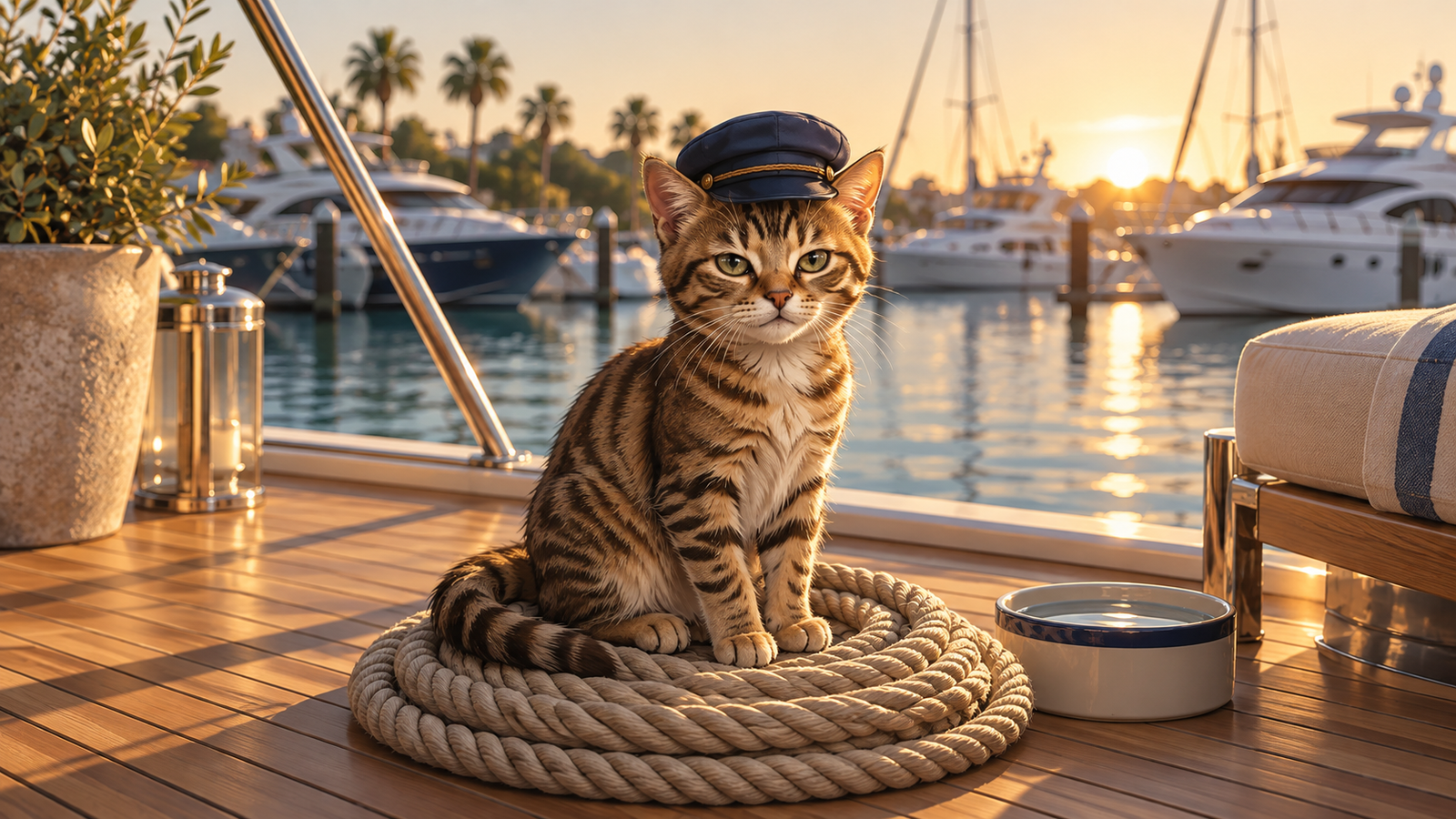
Popcorn — CHIEF MORALE OFFICER: CAT
Look after the humans, too
- Pack for a long day. Bring water, sun protection and comfortable shoes that are easy to remove when boarding.
- Leave room for a break. Eat, pause and give yourself some breathing space between appointments. An exhausted crew is not your best welcome committee.
- Let the cat supervise from home. Popcorn can approve the preparation, but pets are not permitted at FLIBS. Check the official policy for service-animal exceptions.
- Charge before you leave. Top up your phone and bring a suitable power bank for a long day.
- Check the weather. Plan suitable clothing and rain protection before heading out.
- Pack light. Take useful essentials and leave unnecessary weight at home.
- Choose a meeting point. Agree where your group will regroup if you get separated.
- Respect the working boat. Ask before boarding or touching equipment, and follow the crew’s instructions.
- Keep your essentials secure. Know where your phone, wallet and admission details are throughout the day.
- End with tomorrow’s short list. Write down the few things still needing attention, then give yourself time to rest.
Get the important things moving.
You do not need to finish every project before the show. You need to know what matters, who owns it and what happens next. Book the essential work, confirm the people and appointments, and leave room to enjoy the week.
Save the tips that match your plans and share them with whoever is helping you get ready.
What is the one thing you still need to get sorted before FLIBS?
ZipYacht. Connecting Yachting.
ZipYacht characters and illustrations are AI-generated. Practical preparation suggestions do not replace advice from the responsible captain, engineer, broker or other qualified professional.
Official show information: FLIBS dates, boarding and pet policies · 2026 show maps.