All Metal Fabrication & Welding in Fort Lauderdale
Yacht Metal Fabrication and Marine Welding Worldwide
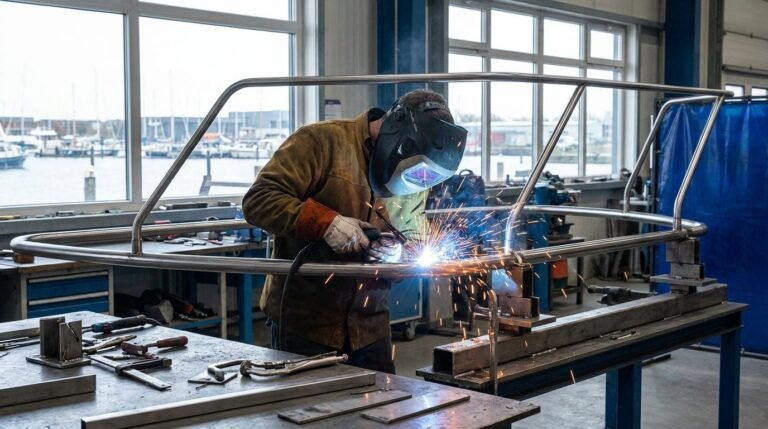
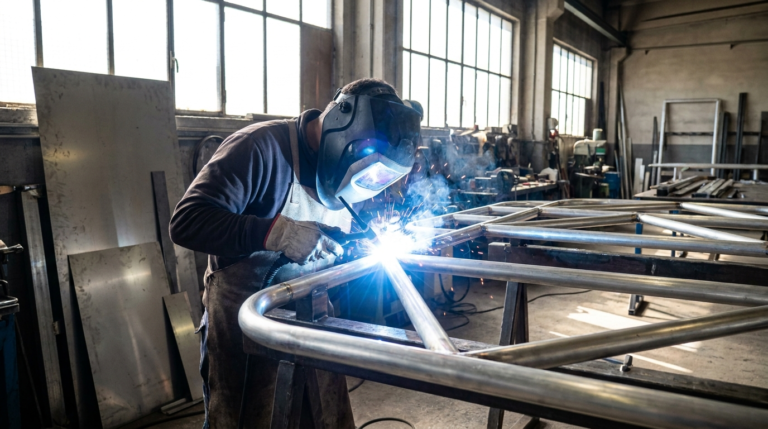
Yacht metal fabrication covers everything aboard made from stainless steel, aluminium or steel and built to a shape that does not exist off the shelf. Bow and stern rails, davits and crane bases, passerelles, radar arches, exhaust systems, tank fabrication and repair, hatch and door frames, engine beds, transom platforms, hard tops, and the brackets and mounts that hold every other system in place.
The companies listed here range from small stainless shops turning out polished rails and custom brackets to full marine fabrication yards handling structural aluminium, plate work, pipe fabrication and certified welding on tanks and pressure systems. Some work only in their own shop. Others send welders and fitters to the vessel, which matters when the part being replaced cannot be removed in one piece.
Material and process are the two things worth checking before you commit. Marine-grade stainless is 316 or better, not 304, and the difference will not show for a year and then shows permanently. Aluminium work near steel needs isolation designed in, or galvanic corrosion will do the rest. And welding on tanks, exhausts, structural members or anything pressure-bearing should be done by a certified welder to a stated procedure. Ask which certification, and ask before the work, because a class or insurance surveyor will ask afterwards.
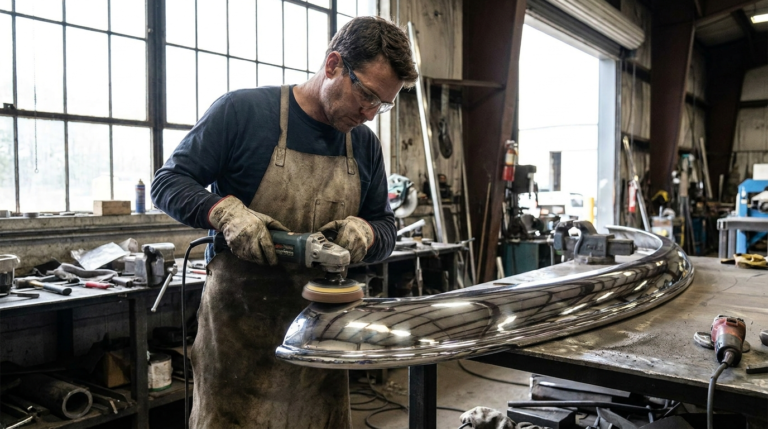
Finish is the third variable and the one most often under-specified. Polished, brushed, bead-blasted and electropolished stainless all cost differently and all age differently in salt air. Agree the finish standard in writing along with the drawing.
Listings show which metals and processes each shop works in, whether they hold welding certifications, whether they travel to vessels, and where they are based. Listings are independent, and enquiries go direct to the company.
Q: What does a marine metal fabricator actually make?
A: Custom stainless and aluminium work built to the vessel rather than bought off a shelf: bow and stern rails, davits and crane mounts, radar arches and hard tops, passerelles and boarding ladders, exhaust and dry-stack systems, fuel and water tanks, engine beds and structural brackets, hatch and door frames, and repair or replacement of any of the above.
Q: Why does 316 stainless matter so much on a yacht?
A: 316 contains molybdenum, which gives it far better resistance to chloride pitting than 304. In salt air and salt water, 304 develops rust staining and pitting that polishing will not fix. The two look identical the day they are installed. Specify 316 or 316L in writing, and for highly loaded or permanently submerged parts ask about duplex grades.
Q: Can a fabricator work on the vessel, or must parts go to the shop?
A: Both happen. Templating and final fitting are done aboard, but the fabrication itself is almost always shop work, because it needs jigs, controlled welding conditions and finishing equipment. Structural repairs, tank work and exhaust replacement are the common cases where welders come to the vessel, and those need proper hot-work permits and fire watch arranged with the yard or marina.
Q: What certification should a marine welder hold?
A: For structural, tank, exhaust or pressure work, ask for a current welder qualification to a recognised standard and a written welding procedure for the material and joint in question. Class societies and insurers will ask for it if the work is ever inspected. For cosmetic rail and bracket work it matters less, but a shop that cannot answer the question at all is telling you something.
Q: How is custom metalwork priced?
A: By drawing or template, material, weld length and complexity, and finish. Polished stainless costs meaningfully more than brushed for the same part because the labour is in the finishing, not the welding. Curved and compound-curved work, and anything requiring a jig, moves the price again. Get the material grade and finish standard written into the quote.
Q: How long does custom fabrication take?
A: A simple bracket or rail section is usually days. A davit, arch or passerelle is typically three to eight weeks from approved drawing, and the drawing approval is often the slow part. Tank fabrication and structural work depend on survey and access. If it has to coincide with a yard period, start the drawing conversation months before the lift.
Browse contractors by trade

Browse by area
Owner and crew guides
Independent cost and hiring guides from the ZipYacht team.